Walk the Stories: Indigenous-Led Digital Journeys Across Canada
Step into respectful, community-guided exploration powered by Indigenous-led digital self-guided cultural tour apps across Canada. Discover lands, languages, and living histories shared by those who carry them, with consent-centered storytelling, offline access, and place-based learning shaped by local governance. Expect practical wayfinding, cultural protocols, and invitations to listen deeply. Share your reflections, subscribe for updates, and help uplift projects where communities decide what is told, how it is told, and how benefits return home.


Community Ownership and Governance
Indigenous communities steward the voice, guide the boundaries, and approve every release. Decision-making councils, Elders, and Knowledge Keepers set protocols, safeguarding sacred stories while welcoming appropriate learning. Updates are paced by community timelines, not market hype, ensuring that the experience remains accountable, accurate, and grounded in relationships rather than external demands or fleeting trends.

Respectful Storytelling and Consent
Stories are shared with explicit permission, credited to speakers, and protected by culturally appropriate licenses. Audio introductions often begin with language greetings, followed by context and care notices. Sensitive sites may be referenced without precise coordinates, balancing public learning with the safeguarding of community spaces, ceremonial grounds, and ecologies that cannot carry heavy visitation or exposure online.

Place-Based Context, Not Just Points on a Map
Pins alone cannot carry meaning. These apps layer treaty relationships, Indigenous place names, seasonal teachings, and safety guidance so visitors understand why a location matters, how to behave, and when not to proceed. Wayfinding supports awareness of water, weather, wildlife, and cultural boundaries, inviting careful presence rather than quick photo stops or superficial check-ins driven by gamification.
Designing for Language, Accessibility, and Connection
Design begins with language. Interfaces prioritize Cree, Inuktitut, Anishinaabemowin, Michif, and other languages through audio narration, readable orthographies, and downloadable packs for offline regions. Accessibility features consider remote bandwidth, screen contrast in bright snow, captioning for wind noise, and options for quieter, reflective pacing. The result is not merely inclusive functionality, but an environment where hearing and seeing language in place nourishes revitalization and strengthens community pride.

Treaties, Territories, and Honest Acknowledgment
Rather than a static acknowledgment, context is mapped and narrated. Visitors learn how treaties were negotiated, contested, or imposed, and how governance continues today. Respectful directions clarify when permits, escorts, or invitations are needed. The map becomes a doorway to understanding ongoing relationships and responsibilities, not a decorative backdrop behind points of interest icons or marketing slogans.
Geofenced Moments that Encourage Presence
Location triggers invite stillness, not rush. A notification may suggest removing earbuds to listen to river ice shift or to notice cedar bark textures without touching. In some places, geofences keep stories silent to prevent disturbance. Technology steps back, offering gentle prompts that cultivate reverence and careful attention to water, ground, and the life that sustains communities here.
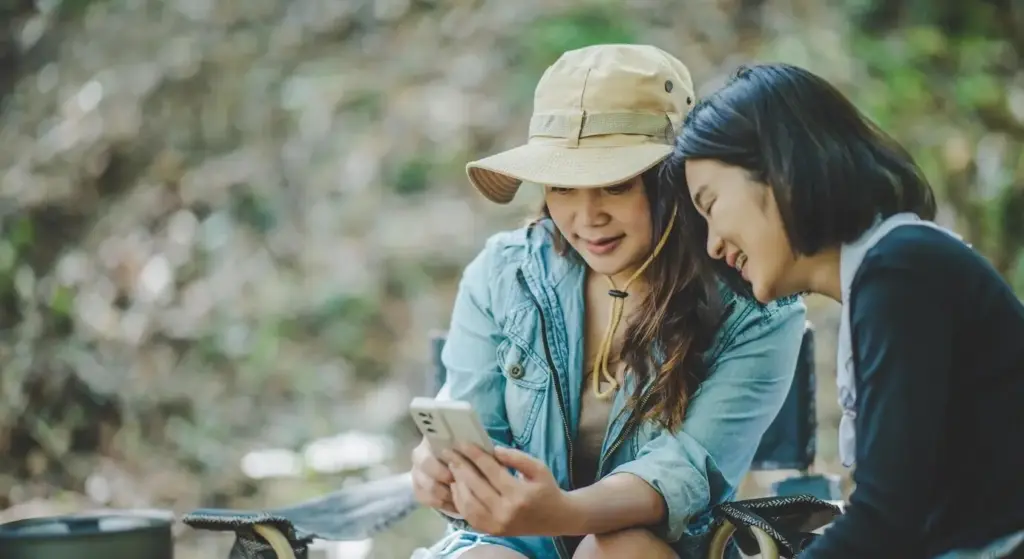
Co‑Creation: Elders, Knowledge Keepers, Youth, and Developers
Co‑creation respects time and care. Workshops begin with introductions, food, and listening, followed by story circles and walkabouts on the land. Youth join recording crews, gaining technical skills. Developers share prototypes in person, not just links, and revise according to community guidance. Releases include ceremony or gatherings when appropriate, honouring the relationships that made the digital pathway possible and keeping stewardship local.
Teams set aside schedules to listen without rushing. Elders define boundaries, youth suggest formats, and translators guide respectful phrasing. Story maps grow from these circles, revealing places where narration belongs and places where quiet is best. Agreements are documented clearly, ensuring shared expectations, credit, and the comfort of everyone who contributed their voice and knowledge.
Paper maps, audio snippets, and clickable wireframes are tested on actual trails, boats, and snowmobiles. Notes are gathered on battery life, cold-weather performance, and clarity of prompts. Feedback shapes navigation, tone, and pacing. Iteration is slow by design, matching community rhythms and ensuring the final experience feels familiar, trustworthy, and lovingly crafted for local conditions year‑round.
Sustainability, Funding, and Community Benefits
These initiatives blend grants, tourism partnerships, and community enterprises while protecting autonomy and voice. Digital guidance disperses visitation, relieving pressure on fragile sites and directing travelers to locally owned accommodations, artisans, and guides. Carbon-aware suggestions encourage slower travel and longer stays. Profit is not extracted from stories; instead, capacity grows through jobs, mentorship, and infrastructure that remain useful long after a tourist departs.
Blended Funding that Respects Autonomy
Grants may support translation, archival digitization, and training, while revenue from passes or merchandise sustains maintenance. Contracts preserve decision-making power and cultural control. Partners understand that timelines follow community readiness. Financial transparency and plain-language reporting keep trust strong, aligning resources with values rather than prioritizing flashy features or rushed expansion into places not yet prepared.
From App to Local Opportunity
Digital routes point visitors toward community-run museums, craft markets, food stands, and guiding services. Notifications highlight days when someone is available to share teachings or when a workshop needs pre‑registration. By connecting attention to real livelihoods, the experience creates circular benefits that strengthen language, support families, and provide reasons for youth to stay, learn, and lead future projects.
Respectful Partnerships with Tourism Operators
Operators learn cultural protocols, photography guidelines, and seasonal sensitivities. Training modules in the app reinforce best practices and safety. Partners agree to capped group sizes and contingency plans for closures. The result is an ecosystem where hospitality, conservation, and learning coexist, avoiding extractive behavior and ensuring visitors leave feeling grateful, informed, and eager to recommend responsible, community-led journeys.
Safety, Care, and Digital Ethics on the Land
Care for people and place is embedded throughout. Safety checklists foreground weather, wildlife, tides, and respectful conduct. Minimal data practices, consent-driven analytics, and community-held servers uphold sovereignty. Cultural protocols appear before sensitive content. Push alerts are sparing and purposeful. Importantly, the app reminds travelers to look up, slow down, and let the land lead, because presence is the point.

Protocols, Permissions, and Sacred Spaces
Before certain stories, a gentle screen explains protocols: no recording, no drones, appropriate clothing, and when to step back. Some locations are referenced rather than revealed. This guidance protects ceremonies, burial grounds, and delicate ecologies. Visitors appreciate clear expectations, finding relief in knowing precisely how to behave with gratitude, humility, and care for community well‑being.

Analytics with Consent, Minimal Data by Design
When analytics are used, they aggregate respectfully and only after informed consent. Heatmaps avoid exposing sensitive areas. No third‑party trackers siphon identities. Community dashboards show practical insights like seasonal load, battery performance, or download success, guiding improvements without surveillance. The principle is simple: collect less, share clearly, and honor the right to say no at every step.
All Rights Reserved.